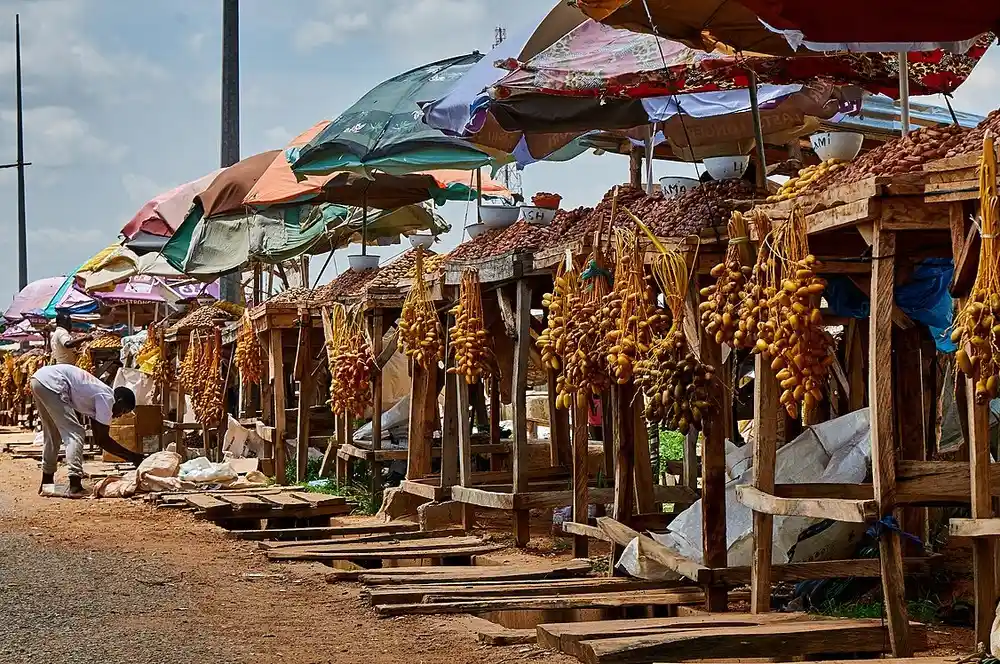
Wholesale import date prices in 2026 range from Rp 28,000 per kg for bulk Egyptian dates to Rp 280,000 per kg for super-grade Ajwa Madinah, depending on variety, grade, and order volume. The gap isn't about brand prestige. Ajwa comes from a limited harvest zone around Madinah, while Egyptian Golden Valley dates are mass-harvested and priced for volume selling.
If you're weighing whether to become a date agent in Jakarta or add a new line to a shop you already run, the price list below is the starting reference before you negotiate with a supplier.
Why wholesale prices vary so much between varieties
Three things drive the difference: country of origin, harvest scarcity, and shipping cost from the origin port to a Jabodetabek warehouse. Dates picked and sorted by hand, like jumbo Medjool, cost more than machine-harvested, bulk-packed varieties.
The rupiah-to-dollar exchange rate matters too. Every one of these varieties is bought in USD at origin, so when the rupiah weakens, the base cost rises before it ever reaches the retail shelf.
Wholesale date price list per kilogram, 2026
The figures below reflect the general range for agent orders in Jabodetabek. Final pricing still depends on order volume and timing, since prices typically rise 10-15% in the weeks before Ramadan.
| Variety | Origin | Retail market price | Wholesale agent price | Common grade |
|---|---|---|---|---|
| Ajwa Madinah | Saudi Arabia | Rp 250,000 - 400,000 | Rp 180,000 - 280,000 | AA / Super |
| Sukari Al-Qassim | Saudi Arabia | Rp 120,000 - 180,000 | Rp 85,000 - 130,000 | A / AA |
| Medjool Palestine | Palestine / Jordan | Rp 150,000 - 220,000 | Rp 110,000 - 160,000 | Jumbo / Super Jumbo |
| Egyptian Golden Valley | Egypt | Rp 45,000 - 70,000 | Rp 28,000 - 42,000 | Bulk / Super |
| Mazafati / Rothab Bam | Iran | Rp 90,000 - 140,000 | Rp 60,000 - 95,000 | Rothab / Dried |
| Deglet Noor | Tunisia / Algeria | Rp 60,000 - 90,000 | Rp 38,000 - 55,000 | Grade 1 |
For a shop just starting out, pairing Egyptian Golden Valley dates as a volume staple with one premium line like Ajwa Madinah dates for gift boxes usually covers both ends of the market at once.
Why direct-importer pricing runs lower
Most date distributors in Jakarta aren't actually importers. They buy from another importer, add a markup, then sell to agents. Each layer adds 8-15% to the final price. When an agent buys through a supply chain with a 40-year relationship to the origin countries, one of those markup layers disappears, and it shows up directly in the per-kilogram price.
This also means steadier stock. An importer with decades-old relationships to farmers and exporters across Saudi Arabia, Egypt, and Iran doesn't run out of stock as easily during a tight harvest, unlike a local reseller dependent on one or two suppliers. The full breakdown of tiers and margins by level is in the reseller, agent, and distributor program guide.
Working out your margin from these wholesale prices
Take Sukari Al-Qassim at a wholesale price of Rp 100,000 per kg. Sell it retail at Rp 145,000 per kg and the gross margin is Rp 45,000, roughly 31%. Net margin only shows up after subtracting shipping, packaging, and marketplace fees if you're selling online.
A cleaner way to calculate markup, including simulations across agent tiers, is covered in how to set your date selling price. If you're still working out your starting capital before the first stock purchase, check the starting capital breakdown for date agents.
How to store wholesale dates so they last 6-12 months
Storage method depends on the variety's moisture content. Mazafati or Rothab Bam are semi-moist dates, so they need to go into a freezer at -18°C to last 8-10 months. Left in a regular fridge at 4°C, they hold up for only 3-4 weeks before they start weeping and fermenting.
Dried varieties like Ajwa, Sukari, Medjool, Egyptian Golden Valley, and Deglet Noor are more forgiving. Stored in an airtight container at room temperature below 25°C, away from direct sunlight, they can last 6-12 months without losing flavor quality. Warehouse humidity should stay under 60%, since anything higher makes the surface prone to mold or white sugar crystals forming on the skin. Those crystals aren't actually a sign of spoilage, just natural sugar rising to the surface, but they do make the dates less appealing for retail display.
Agents holding large stock should keep moist and dried varieties in separate storage zones. Moist dates stored near dried ones can speed up moisture transfer between them, especially if the packaging isn't fully sealed.
Step-by-step: placing your first wholesale date order
If this is your first wholesale order, this sequence helps avoid the common missteps.
1. Define your target market and budget first
Selling to other resellers means competing on bulk pricing, while selling direct to end consumers through a shop or online lets you work with a higher margin on smaller volume. Your starting budget determines which variety makes sense to try first. If you're still mapping out the basics, that groundwork is covered in the guide to becoming a date agent in Jakarta.
2. Request a 250-500 gram sample of 2-3 varieties
Don't commit to a large volume of one variety before checking taste, texture, and how well the sample itself holds up for at least a week under your normal storage conditions.
3. Verify the paperwork
Make sure the supplier can provide halal certification and a BPOM or PIRT distribution permit, since these are usually required if you plan to sell through a major marketplace or supermarket.
4. Negotiate by volume, not just unit price
Suppliers usually have price tiers at 25kg, 50kg, and 100kg-plus. The gap between tiers can run 5-10%, so it's worth running the numbers before deciding your first order volume.
5. Start small and evaluate before restocking
Order 25-50kg across 2-3 varieties to start, then track sales for 2-4 weeks before restocking at a larger volume. Jumping straight to bulk on an untested variety is one of the more common ways new agents tie up capital in slow-moving stock.
Buying wholesale ahead of Ramadan 2026
Ramadan stock should ideally land in your warehouse two months before the fasting month starts. Prices climb highest in the final two weeks before Ramadan because every agent is buying at once, so ordering early gets you the normal price instead of the panic price.
Don't commit to a large volume of a variety you haven't sold before either. Many new resellers lose money from picking the wrong variety early on, not from paying too much for it. That mistake is covered in more detail in common mistakes new date resellers make.
Quick checklist before you order
- Check the USD-IDR rate on order day, not last month's price
- Request a sample before committing to large volume on a new variety
- Lock in Ramadan pricing at least 6-8 weeks before the fasting month starts
The prices above shift with harvest season and exchange rates, so treat them as a negotiating baseline, not a fixed number. If you need a current weekly price sheet for agent-level volume, our team can send it straight over WhatsApp.